Distinguish supply pipes from discharge pipes
Water-service plumbing brings water to fittings. Sanitary plumbing carries used water away. A complaint such as “the plumbing is old” is too broad to define a useful scope. Identify the affected system, fitting and location, and whether the issue is constant or intermittent.
Bring previous repair information if available. Record visible moisture without assuming it originated from the nearest pipe; the investigation may need to consider another source or area.
Use symptoms to direct an inspection
| Observation | What to ask the plumber | Renovation implication |
|---|---|---|
| Visible leak or damp cabinet | Where is the source, and what access is needed? | Resolve before replacing or enclosing joinery. |
| Changed water flow | Which fittings are affected and what should be checked? | Confirm the cause before changing all pipes. |
| Slow discharge | Which branch or connection needs investigation? | Coordinate access and any agreed repair before tiling. |
| Previous concealed repair | Can the condition and route be established? | Record uncertainty and a contingency scope. |
Check the licensed-plumber boundary
PUB identifies regulated water-service and sanitary plumbing works that require a Licensed Plumber, alongside a limited category of simple plumbing work. Let the proposed scope determine the requirement; do not assume all work is a minor repair.
HDB also sets flat-specific plumbing and gas-work conditions. Do not relocate shared stacks or interfere with common services on the assumption that everything inside the flat belongs to the renovation scope. Seek the relevant confirmation first.
Decide routes and access before finishes
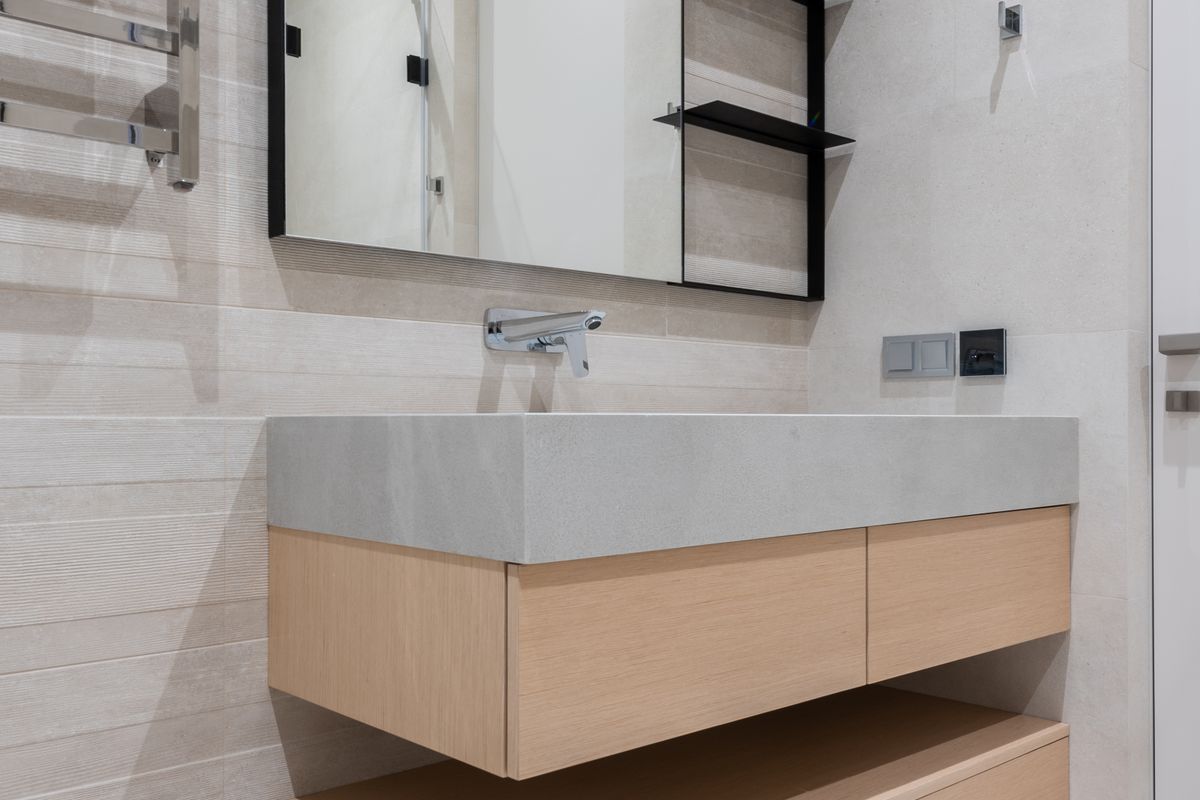
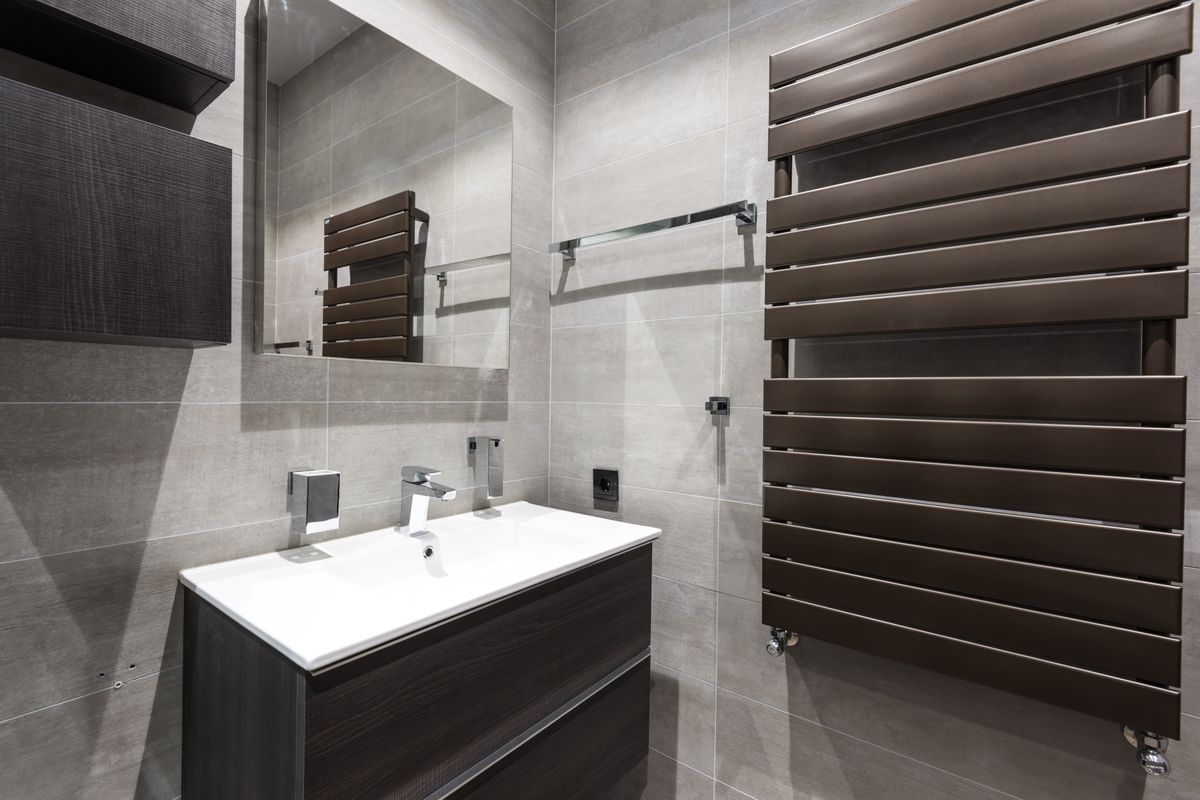
Compare visible routes with any proposed concealment in terms of access, appearance and the work required to repair a future leak. Concealment is not automatically allowed everywhere or appropriate for every service. Ask the appointed trades to check the route and restrictions.
Keep required valves, joints, traps and inspection points accessible. Coordinate cabinet backs, removable panels and fixture positions so the plumber’s access is not lost after carpentry installation.

Sequence plumbing with bathroom and kitchen work
- Confirm retained and new fittings, including appliance connection needs.
- Agree permitted pipe routes and the scope of replacement.
- Coordinate the plumbing with waterproofing and finish build-ups.
- Complete required trade checks before affected work is covered.
- Fit fixtures, check operation and record any outstanding issue at handover.
What a clear plumbing quotation should describe
- Supply and sanitary work as distinct scope items.
- Named pipe or fitting specifications where replacement is proposed.
- Removal, access work, making good and disposal.
- Connections for supplied fixtures and appliances.
- Trade testing, required submissions and relevant completion records.
- Exclusions, concealed-condition assumptions and variation procedure.
There is no universal pipe-replacement decision based solely on flat age. Use the licensed plumber’s assessment, the new layout and the consequences of future access to settle the scope.
Sources and scope
Guidance checked on 22 September 2026. Follow the linked authority guidance and the instructions for the products you select.