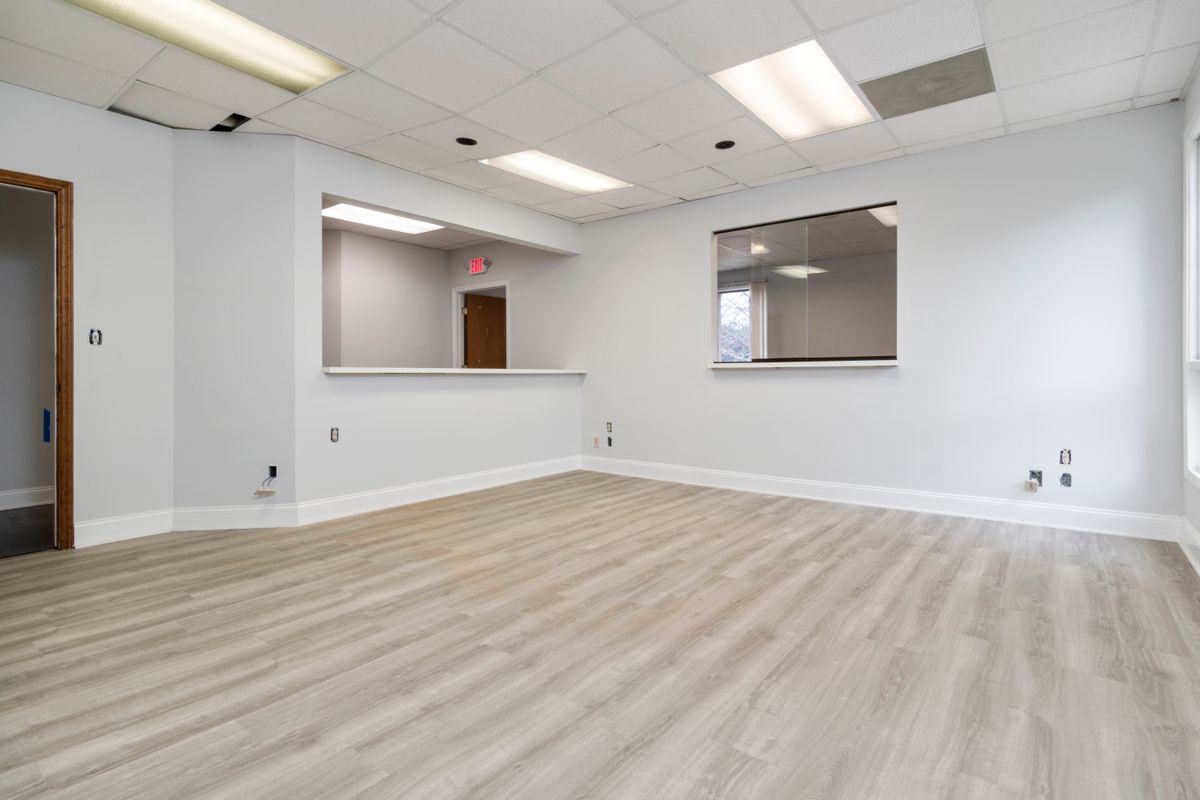
Separate material choice from removal scope
Vinyl can be proposed over a suitable existing floor, but that does not make every floor suitable for overlay. Tiles can also be installed in different build-ups. The separate overlay-versus-hacking guide addresses whether existing work should remain. This comparison focuses on the finish and installation you are choosing next.
Check the full method against HDB’s flooring rules for an HDB flat. Permission for a finish does not remove the need to check demolition or preparation work.
Compare room use with product evidence
| Factor | Vinyl | Tiles |
|---|---|---|
| Comfort underfoot | Often considered for a more resilient feel; try the actual assembly | A hard surface; assess texture and comfort in the intended room. |
| Moisture | Check product, seams, perimeter and permitted wet-area use | Check tile suitability, joints, falls and the waterproofing system. |
| Substrate | Flatness, dryness and preparation depend on the system | Assess base, adhesive, movement and finish requirements. |
| Height | Include plank, underlay or adhesive and transitions | Include tile, adhesive and any screed or preparation. |
| Repair | Method differs for click and bonded systems | Matching spare tiles and access affect a local repair. |
| Cleaning | Use the manufacturer’s approved care method | Check both tile and grout care, including finish limitations. |
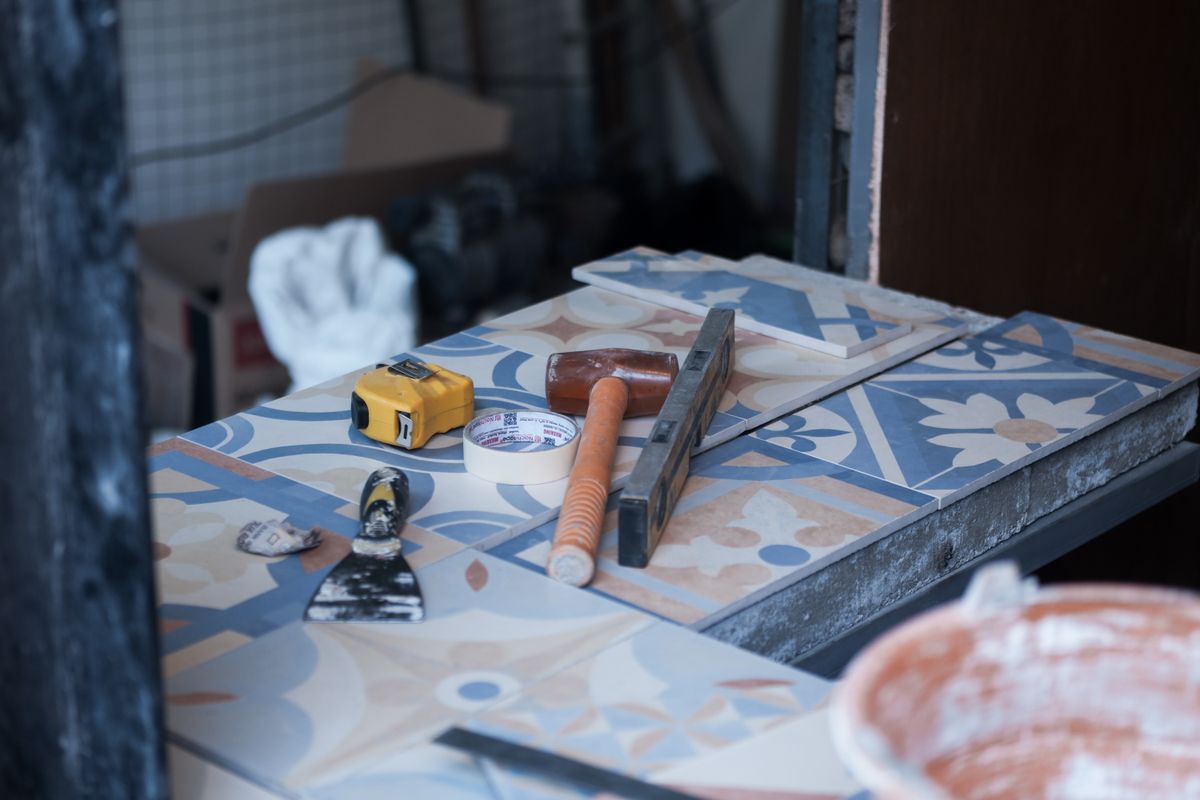
Water-resistant material is not a waterproof room
Tarkett’s explanation of vinyl construction notes that moisture can pass through poorly installed joints even where individual pieces resist water. Do not transfer a manufacturer’s claim about a product to the whole room.
Likewise, tile selection alone does not resolve bathroom waterproofing or drainage. For wet areas, have the proposed system, thresholds, falls and existing condition checked before choosing from a dry showroom sample.
Preparation and transitions can decide the scope
Tarkett’s installation guidance makes preparation dependent on the floor type and condition. Obtain the instructions for the exact proposed product rather than using generic advice for another vinyl system.
- Identify uneven, loose or damaged areas before agreeing an overlay.
- Ask how moisture and substrate suitability will be assessed.
- Show transitions to adjoining rooms and door clearances.
- Coordinate built-ins and skirting with the installation method.
- Confirm whether underlay is required, permitted or already integral to the product.
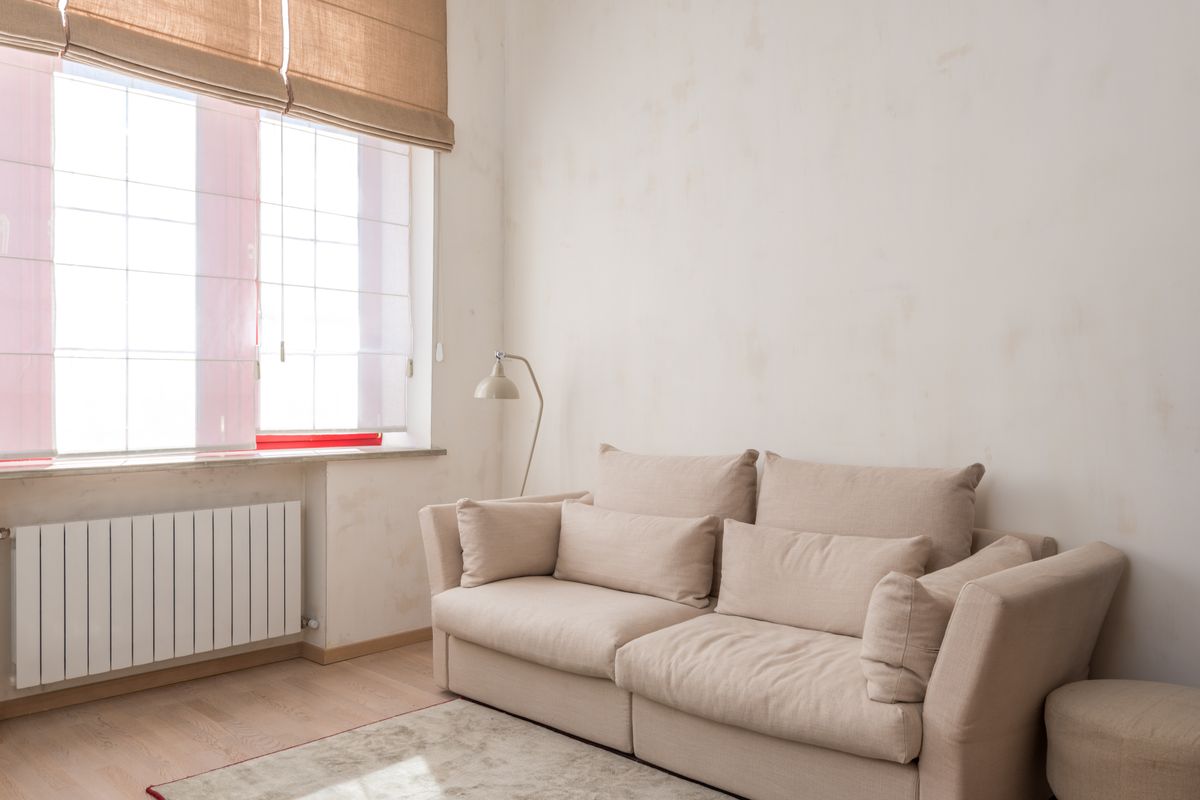
Think about everyday use and future repair
Compare samples in the expected lighting and discuss footwear, furniture movement, pets and cleaning habits. Ask for the relevant wear, slip or other test information for the specific product where it matters. A product label alone does not establish performance for every household.
Keep product codes and an agreed quantity of spare material if available. Ask how an isolated damaged area would be accessed: a click floor may need disassembly from an edge, while a bonded system has a different replacement method. Confirm this with the installer for the selected system.
Compare like-for-like quotations
Include preparation, removal where needed, product and installation system, adhesive or underlay, skirting, transitions, door adjustments, protection and disposal. For tiles, identify the tile specification and joint treatment; for vinyl, identify the actual range and system.
A useful decision is “this specified floor suits these rooms and this substrate.” It is not “vinyl is always better” or “tiles last a fixed number of years.” No price or lifespan estimate replaces the product and site assessment.
Sources and scope
Guidance checked on 22 September 2026. Follow the linked authority guidance and the instructions for the products you select.